This Is The Ultimate Cheat Sheet For Multi Fuel Stoves For Sale
Small Multi Fuel Stoves For Sale Small multi fuel stoves for sale let you enjoy the convenience of burning a variety of kinds of smokeless fuels. They also have a wide range of applications and can be used in a variety of rooms and home decors. If you live in a Smoke Control Area you should consider an DEFRA approved stove, such as the Stovax Stockton 5, to legally burn wood and other smokeless fuels. Canister Stoves Canister stoves burn fuel stored in sealed canisters made of propane, isobutane or a combination of the two. The most popular backpacking stove is the canister stove, which offers a competitive fuel efficiency and are easy to operate. These stoves are perfect for summertime excursions or trips where you have to pack light or for those who prefer a simpler system. They are not as efficient in harsh winter conditions, and they're not the best choice for trips at high altitudes. Some canister-fuel systems, like the Jetboil MiniMo System or MSR WindBurner System come with an integrated design that connects directly to the fuel canister. This allows for a compact and lightweight system. This saves space however it opens the canister to elements. It is less resistant to windy conditions. Soto's non-integrated WindMaster stove however is more durable pot support design that helps keep the canister close to the burner for better control of heat during the windy conditions. Many stoves in canisters struggle with cold temperatures. As temperatures drop, so does the pressure in the canister, which could cause poor performance, or even failure. The MiniMo's regulator for pressure helps to counteract this issue and ensures consistent heating when temperatures are below freezing. Liquid-fuel stoves have an additional fuel bottle that is refillable and have a much wider variety of use. Some can take unleaded gas (the MSR WhisperLite International, for instance) while others can utilize white-gas, isobutane/propane mixtures and kerosene, as well as white-gas. These versatile designs are the best option for those who intend to hike in areas where finding prefilled fuel canisters isn't easy. Some backpackers also opt for wood-burning stoves. These are extremely efficient in terms of fuel consumption however they add a lot to your pack weight and bulk. There are also a variety of stoves for backpacking that are self-contained and use wood or other biomass for fuel, such as the Solo Stove Lite above. These stoves are better suited for backpacking trips that are shorter and don't provide the same level of convenience as a canister or liquid-fuel system. Liquid Fuel Stoves Contrary to canister stoves multi-fuel stoves that burn fuel utilize a pump to maintain the pressure inside the fuel bottle and push it into a small nozzle, where it is burned. They are much better suited to cold weather camping and hiking and can be used even in temperatures below freezing. They can also be filled more easily than canisters, as you just open the lid and pour in more. White gas is used in the majority of liquid fuel stoves. It is a highly refined gasoline that has very little or no impurities. It burns hot and clean even at temperatures below freezing. Some liquid fuel stoves can run on dirtier and less expensive fuels such as kerosene and diesel. They are heavier than canisters and have many moving parts and components that need to be cleaned or primed in time. In windy conditions they may be more difficult to use since the pumping motion could cause the flames to flicker or even smoke. Many also require a priming process which involves burning a drip or two of the fuel in a cup under the burner to heat it up and transform it from a liquid to a gas. Liquid fuel stoves are ideal for backpacking and camping in winter at high elevations because they can operate well even in freezing conditions in which stoves that use canisters have a hard time. They also tend to be more stable than canister stoves as they sit lower on the ground and have wider stove legs that act as stable platforms. Some are as stable and multifuel as Trangia stoves X2 and can be used on the original Trangia burner if you own an Trangia adaptor. Some models come with a shaker jet, similar to MSR which is more suitable for sparking white gas. They are also ideal for international travel, as canister fuel and even outdoor supply stores can be difficult to locate. There are several top, easy to use, lightweight liquid fuel stoves available – the Kovea Hydra and Dual Max are two of the most effective examples. Gas Stoves When it comes to cooking, there are few things that are as iconically American as a gas stove. It's difficult to find a home in the US without one, and they are popular for many reasons. They heat up quickly, utilize natural gas (typically cheaper than electricity) to generate energy and don't require any special installation or venting. Scientists are becoming more concerned about the pollutants that gas stoves release. Gas stoves emit formaldehyde, carbon monoxide, and nitrogen dioxide at levels higher than EPA guidelines. These gases are linked to a variety of health problems, including learning deficits, lung infections, and a greater risk for childhood asthma. Even when they're not operating, they release methane which is a greenhouse gas. It is considered more powerful than carbon dioxide, but does not remain in the atmosphere for as long. The controversy has led to debate over whether or not gas stoves should be banned and lawmakers have also weighed in on the subject. A group of Republican Senators have introduced two bills to prevent the CPSC banning them. House Republicans passed legislation to safeguard the rights of consumers to select the kitchen appliance they prefer. In the meantime, some homeowners are deciding to switch from electric to gas or even adjusting their current stoves in an effort to limit harmful emissions. But others are still hesitant to give up their preferred kitchen gadget. Here's everything you need understand about the risks of these stoves. The emissions from a stove depend on the type of food that is being cooked and the temperature setting, but they still produce an impressive amount of nitrogen oxide operating. According to 12kw multi fuel stove by Rocky Mountain Institute, Physicians for Social Responsibility and Mothers Out Front, boiling water or baking cakes in a gas stove could produce NO2 concentrations that exceed the standards for outdoor air quality. But roasting chickens or using high flame settings can cause these numbers to rise. If you're looking at cutting back on your emissions it is essential to purchase a stove with an efficient design and follow a few easy energy-saving tips. Clean your burners, for example, to ensure they work as efficiently as they can. It's also recommended to only use the burners that you need to, since excessive use can waste up to 40 percent of their power. Portable Stoves A small stove can be a wonderful addition to your camping equipment, particularly when you're on the moving. You can cook and stay hydrated while hiking, cycling or backpacking. Stoves can run on various fuel sources, ranging from wood and charcoal to propane and gas. The cost of the stove will depend on the fuel source, as well as the amount of energy it consumes and its efficiency. Small multifuel stoves are cost-effective, especially if you choose one that runs on propane or natural gas. They're also extremely efficient, requiring only a small amount of fuel to produce the same amount of heat as other types of. Gas stoves have a larger cooking surface than other types of. This allows you to cook two large pans or pots simultaneously. While you may think a butane stove is costly, it's a reliable option in emergency situations when electricity isn't readily available. Its compact size and lightweight weight make it easy to store and transport. It is also a fast-heating model, which means you can get started cooking your meals right away. In areas with limited access in the middle of nowhere, it might be difficult to locate stoves that burn liquid fuel. They're typically self-pressurizing, which means you don't need pumps to start them however, you may require refilling them after use. The intensity of the flame can be adjusted, so you can simmer without reducing the heat output. 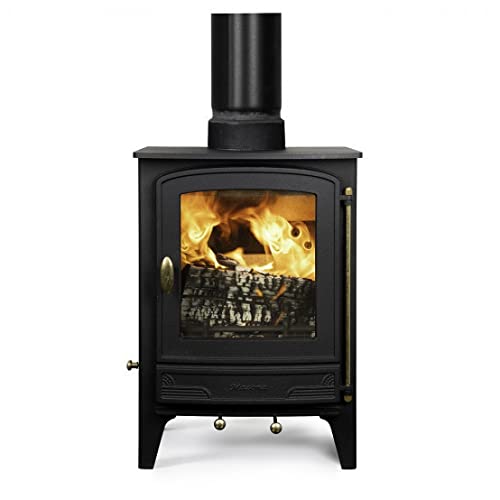 Solid fuel stoves are easy to operate and extremely light, but they're not ideal for windy or rainy weather. Solid stoves with fuel are more odorous and require Esbit tabs for fuel. A wood-burning stove has been popular in recent years due to the fact that it is a readily available and sustainable fuel source. However, they are not able to provide flame and heat control and can be subject to fire bans in some areas. They must also be carefully maintained to prevent creosote accumulation and flammability issues. Be sure to follow all clearance and height restrictions. Also, ensure that you have a safe means to dispose of smoke and ash.